
Multidisciplinary Sarcoidosis Clinic
Make an Appointment
Our team is here to help you make an appointment with the specialists that you need.

Highlights
Multidisciplinary Support at a World-Class Medical Center
Sarcoidosis is a complex, systemic disease that can affect multiple organs simultaneously. A multisystemic approach ensures a comprehensive and timely care for patients with this diagnosis. Our doctors collaborate with experts from all specialties to ensure that you receive the best care possible and that all aspects of your condition - medical, functional, and psychosocial - are addressed.
Since sarcoidosis is a multisystem disease, each system requires the expertise of its respective specialist. Well coordinated care by our expert clinicians is key to monitor disease progression, detect relapses early, tailor therapy to organ involvement and ensure adherence to therapy.
Research and Clinical Trials
Beyond patient care, the Columbia Multidisciplinary Sarcoidosis Clinic is at the forefront of research and education aimed at advancing the understanding of sarcoidosis. We actively participate in clinical trials and studies to explore new therapeutic options and improve existing treatments.
Top Research Initiatives in Sarcoidosis
- Large Language Model-enhanced extraction and characterization of multi-systemic sarcoidosis from the CUIMC Electronic Health Record (EHR)
- Integration of AI assisted clinical algorithms in CUIMC EHR to detect, triage, and manage multi-systemic sarcoidosis.
- Enrollment in Foundation for Sarcoidosis Clinical Registry (pending)
- American College of Rheumatology Sarcoidosis Working Group
For more information about support groups, educational materials, and clinical trials visit: Foundation for Sarcoidosis Research at https://www.stopsarcoidosis.org/
What is Sarcoidosis?
Sarcoidosis is a systemic inflammatory disorder characterized by noncaseating granulomas that usually involve the lungs, but any organ can be affected. The exact cause is unknown, but it is thought to involve an abnormal immune response to an unidentified trigger which could be environmental, infectious, or genetic factors, in people with a certain predisposition.
The diagnosis is established based on the clinical and radiographic presentation, histologic evidence of noncaseating granulomas, and the exclusion of other granulomatous diseases such as infections, tumors, medications, or rheumatologic diseases.
Not all patients with sarcoidosis will require treatment. Medical treatment depends on the severity of symptoms, and organ involvement.
Our Team
Rheumatology
Our role is todistinguish sarcoidosis from other rheumatic diseases that it may mimic, such as lupus or rheumatoid arthritis. We also coordinate care with other specialistsand assist with anti-inflammatory therapies like corticosteroids, immunosuppressants, or biologics to control organ damage and improve quality of life.
Elizabeth Park, MD, MSc
- Co-Director, Multidisciplinary Sarcoidosis Clinic
Dr Park is interested in advancing clinical care and research for multi-systemic sarcoidosis. As the newly established co-director of the sarcoidosis clinic she seeks to:
1) Elucidate genetic risk factors contributing to development and progression of multi-systemic sarcoidosis, leveraging large biobanks such as All of Us and the Million Veteran Programme
2) Create well-validated and comprehensively phenotyped electronic health record based sarcoid cohorts, with a specific focus on cardiac sarcoidosis
3) Conduct comparative effectiveness studies across anti-rheumatic treatments for the treatment of cardiac sarcoidosis, a highly morbid and mortality contributing manifestation of sarcoidosis
4) Establish novel patient reported outcomes (PROs) which are predictive of sarcoid flares and long-term outcomes, harmonizing with physician derived metrics, and integrating into electronic health records for daily clinical practice


Cardiology
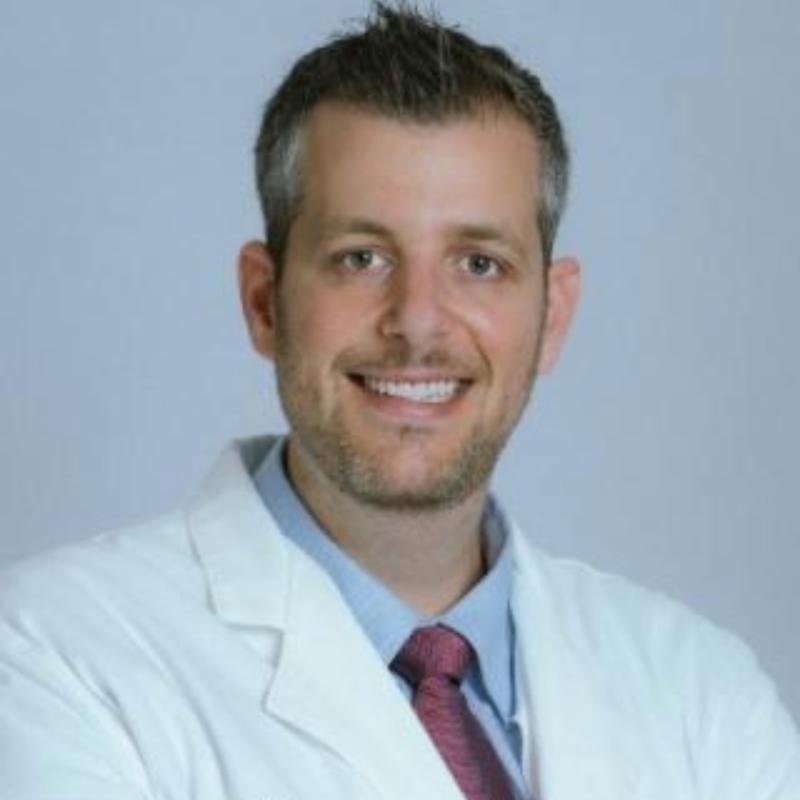
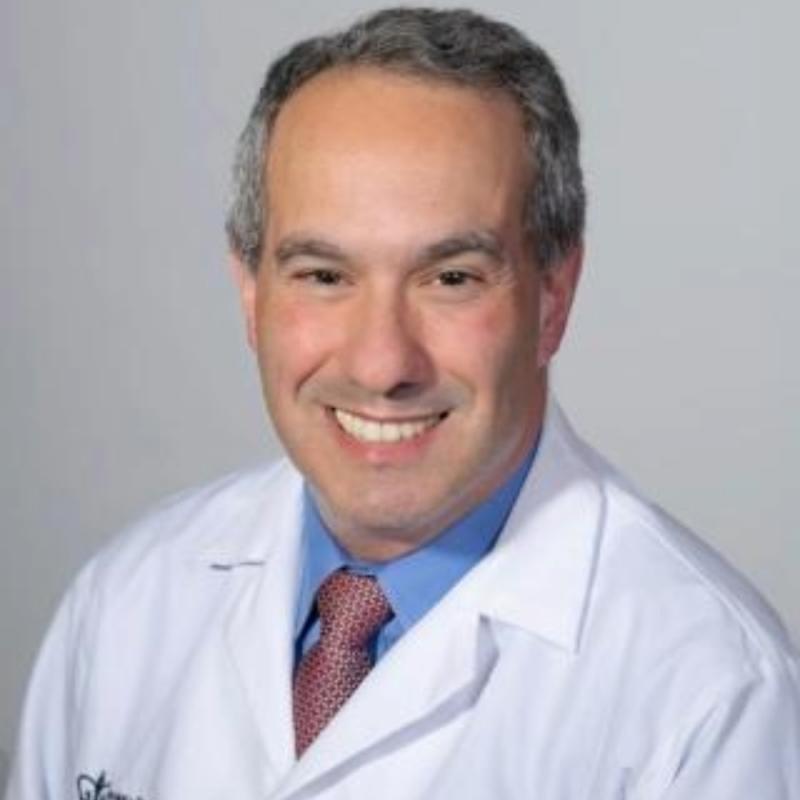
Our team consist of Heart failure specialist, Electrophysiologist, and Advanced imaging experts. All play a crucial role in the diagnosing, and treatment of cardiac sarcoidosis. The use of advanced imaging techniques like cardiac MRI and PET/CT scans are a key tool to confirm heart involvement in cardiac sarcoidosis. These methods also help in early detection, assessment of disease activity and extent of cardiac disease, guiding treatment decisions, and predicting prognosis. To manage life-threatening arrythmias, electrophysiologist use procedures like cardiac ablation or implant devices such as pacemakers or defibrillators (ICDs).



Pulmonary, Allergy, and Critical Care
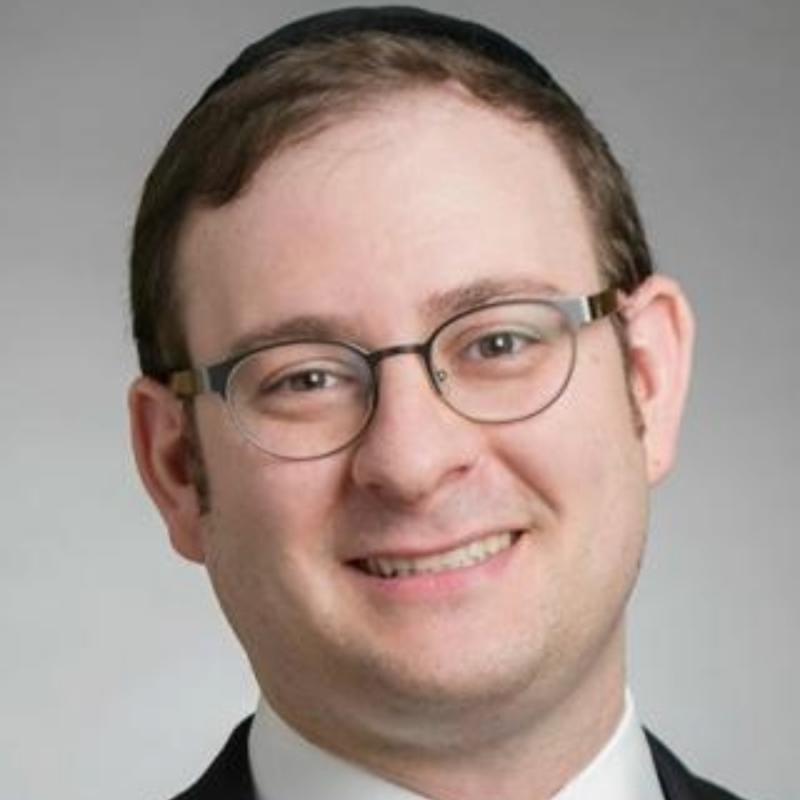
A pulmonologist plays a central role in sarcoidosis management by diagnosing and treating the condition, especially given the lungs are the most affected organ. Their role includes performing diagnostic tests, assessing organ involvement, determining the need for treatment, monitoring the disease's progression, and managing symptoms with medication and other therapies like pulmonary rehabilitation.

Neurology
Neurosarcoidosis can involve many parts of the nervous system, including the brain, spinal cord, optic nerves, and peripheral nerves. Dr Wesley and her colleagues in the neuroimmunology program work with rheumatology and other specialists to manage the neurosarcoidosis with monitoring and treatments.


Dermatology
Dermatologists identify skin lesions, perform biopsies to confirm the diagnosis, and manage treatment with topical and injectable medications, or systemic medications when necessary.

Opthalmology
Eye involvement in sarcoidosis can be an early or even the first sign of the disease. Ophthalmologists are responsible for identifying and managing ocular manifestations like uveitis, as well as less common problems affecting the optic nerve, eyelids, and orbit. They use comprehensive eye exams and specialized imaging to diagnose ocular sarcoidosis and employ treatments ranging from topical corticosteroids to systemic immunosuppressants to prevent vision loss.

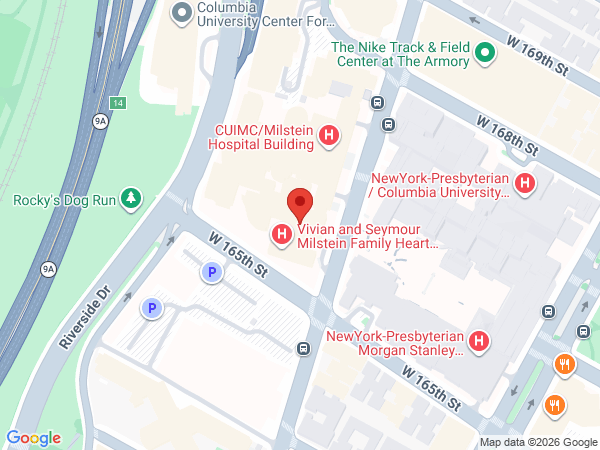
Our Location
Make An Appointment
ColumbiaDoctors Rheumatology & Clinical Immunology is a leader in the care and treatment of rheumatic disease, offering the latest therapies for patients of all ages. Many of our treatment services are also offered through participation in research studies.
Prior to scheduling an appointment in our clinic, it is necessary to have your records available to our team for review. If you have any questions regarding our records review process, please call our office coordinator at (212) 305-4308 .
- List of recommended records: clinical notes, pathology/biopsy results, imaging reports including CTs, PET scans, and MRIs, lab results, pulmonary function tests, echocardiograms.
If you are interested in being seen by the Neurosarcoidosis team, please call 212-305-6876.
Additional information regarding our cardiac sarcoidosis team can be found on the Cardiology website (link) or you can call 212-305-7600. For Pulmonary sarcoidosis, please call 212-305-8203.
Connect Patient Portal
Current patients can count on secure messaging, the use of our online bill payment feature, and 24/7/365 access to their healthcare information through the Connect online portal.
Signing up for Connect is easy. Ask about joining Connect at your next visit. If you already have an invitation and activation code, visit our sign-up page. If you do not have an activation code, visit our self-sign-up page and follow the directions.
Connect is a joint effort of Columbia, NewYork-Presbyterian, and Weill Cornell Medicine, so a single Connect account links you to all three institutions.